
Products
Metrol's wireless products enable sensing, actuation and inflow control using acoustic, electromagnetic and pressure pulse telemetry for the purpose of advanced reservoir understanding and production optimisation
DST Wireless SRO
-
 Learn More
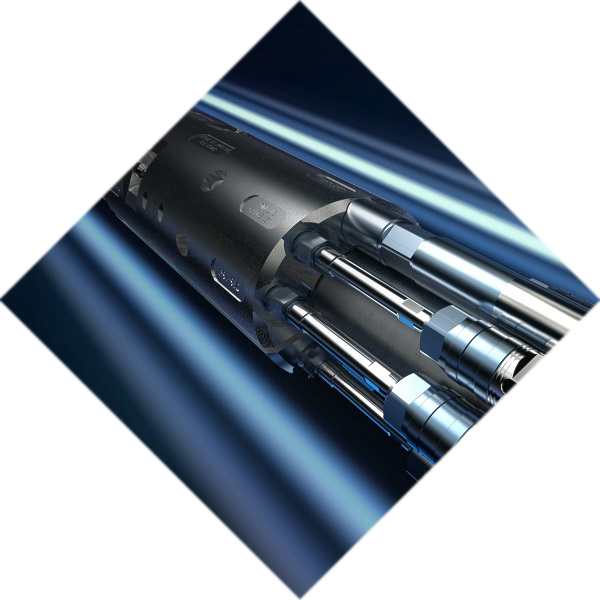
A collection of telemetry methods that allows the wireless acquisition of multiple sources of downhole data and the actuation of devices for remote flow control of producing zone.
-
 Learn More
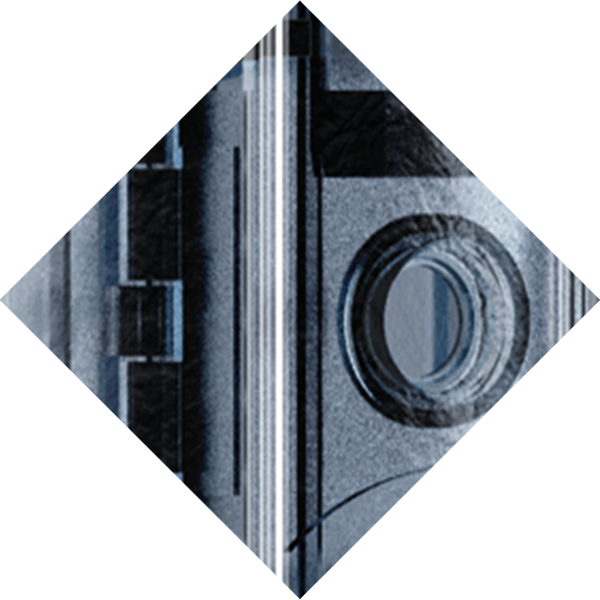
PRO-LOG permits a continuous high-resolution temperature profile to be gathered from any section of a well.
-
 Learn More
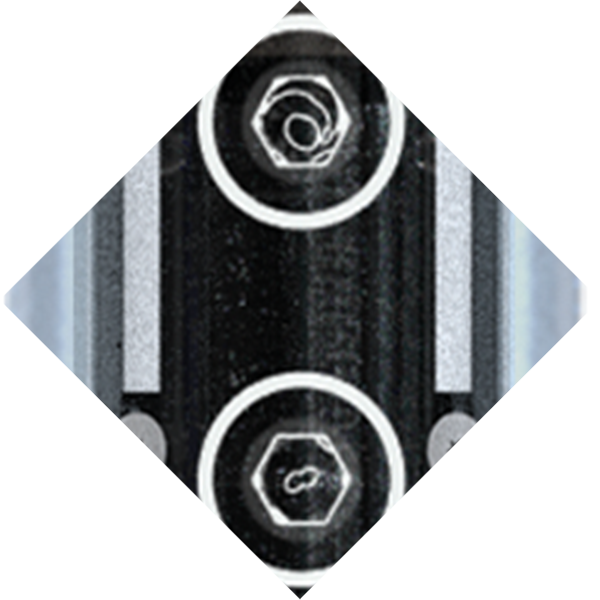
The OCULUS gauge records precisely, it is rugged and able to transmit high resolution data for DST operations and production wells.
-
 Learn More
CROSS-FIRE offers a wireless, safe and precise perforating system for increasingly complex and demanding scenarios.
-

 Learn More
DEPTH-LOC correlates wirelessly. The subsea entry point TRITON, is the pathway to PARAGON that enables duplex communication with DEPTH-LOC.
-

 Learn More
The ORIGIN sampling system allows bottom hole samplers to be triggered individually and on demand in optimum conditions.
-
 Learn More
A suite of ROV deployable subsea telemetry equipment enabling surface to downhole communication with PARAGON and an extensive range of sensors, actuators and valves.
-
 Learn More
SALAMANDER is an extreme conditions high-temperature memory gauge; it is robust, with quartz crystal accuracy and excellent resolution.
DST Wireless Valves
-
 Learn More
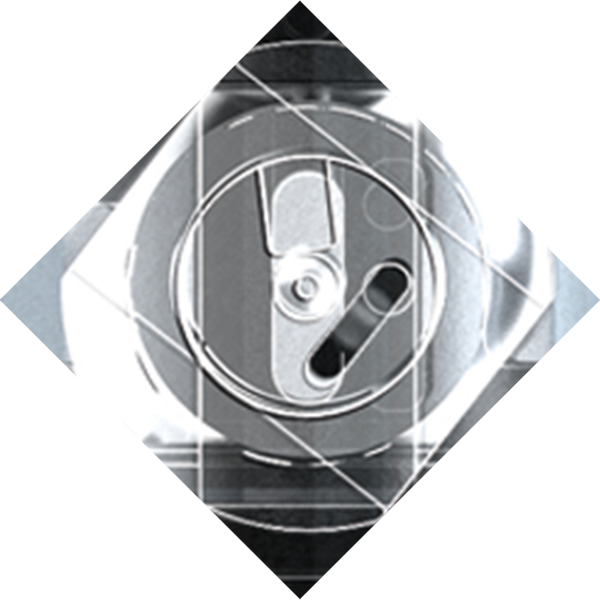
FLOW-SURE DV is an integrated wirelessly activated dual valve.
-
 Learn More
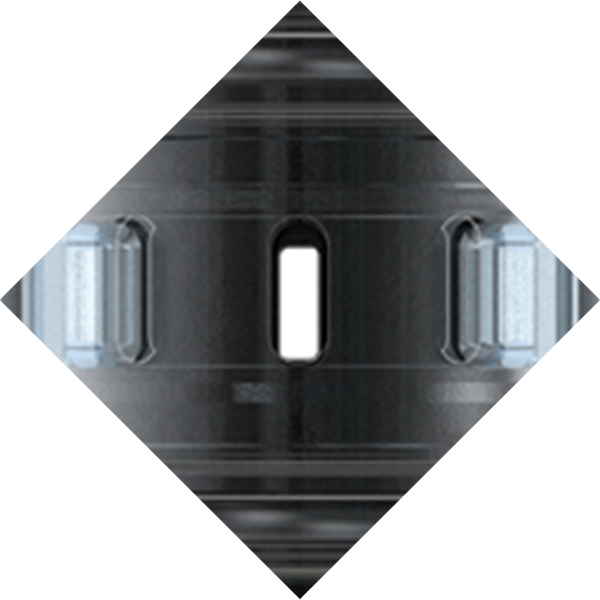
FLOW-SURE MC is a wirelessly controlled, hydrostatic pressure operated, in-flow control or circulating valve.
-
 Learn More
FLOW-SURE BV is a wirelessly controlled, hydrostatic pressure operated ball valve. Actuated directly from surface using an annulus pressure pulse signature.
-
-
 Learn More
FLOW-SURE SS is a wirelessly controlled, single shot, hydrostatic pressure operated, in-flow control or circulating valve.
-
 Learn More
FLOW-SURE ST is a wirelessly controlled, single actuation, non elastomeric sealed, downhole valve.
DST Tools
-
 Learn More
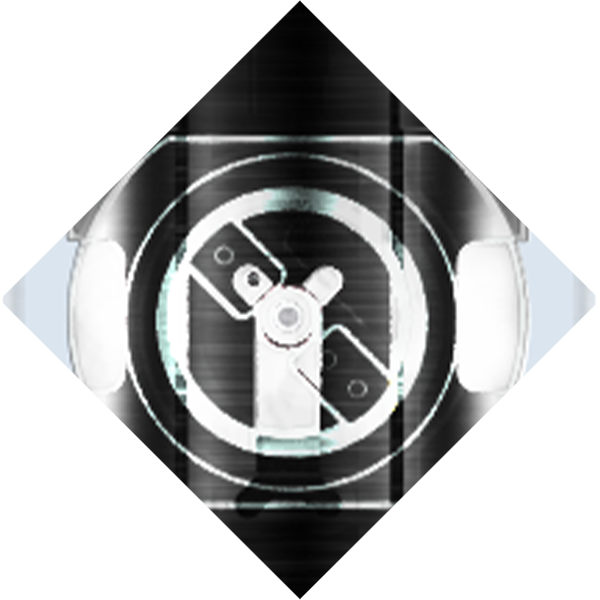
The DAB-V is a dual-action ball valve that is controlled by applying pressure to the annulus. This valve can be used to pressure test a DST string and can replace the FPT-V flapper valve as well as function as a simple DST shut-in valve.
-
 Learn More
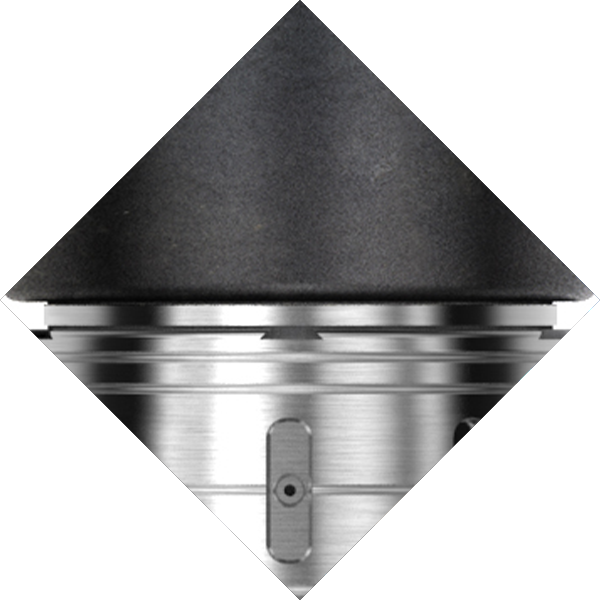
The KRYSALIS is retrievable well testing packer system which provides the features and performance of a permanent production packer for drillstem testing.
-
 Learn More
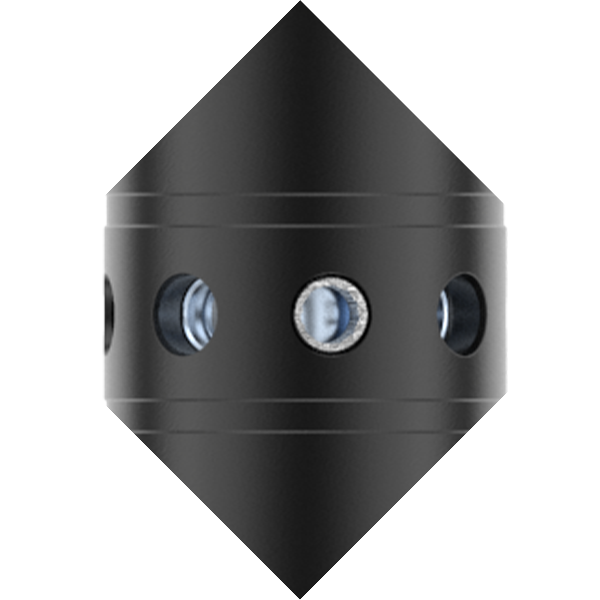
The Annulus Rupture Circulating Valve from Metrol is a simple reversing valve with positive lock open/close feature.
-
 Learn More
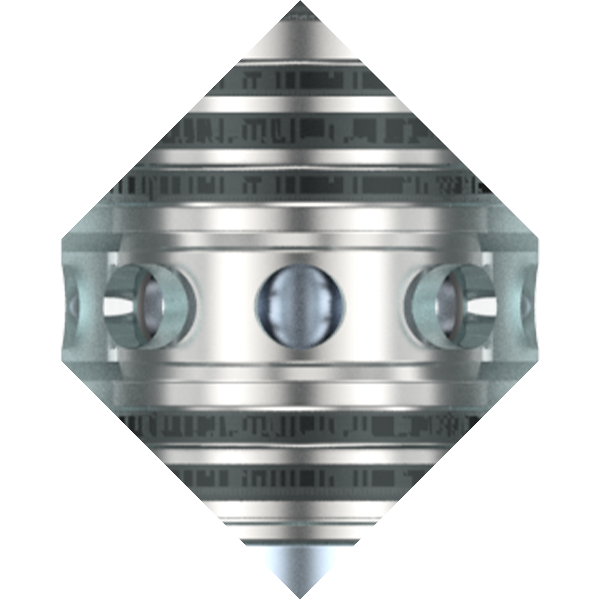
Flapper Pressure Test Valve from Metrol.
-
 Learn More
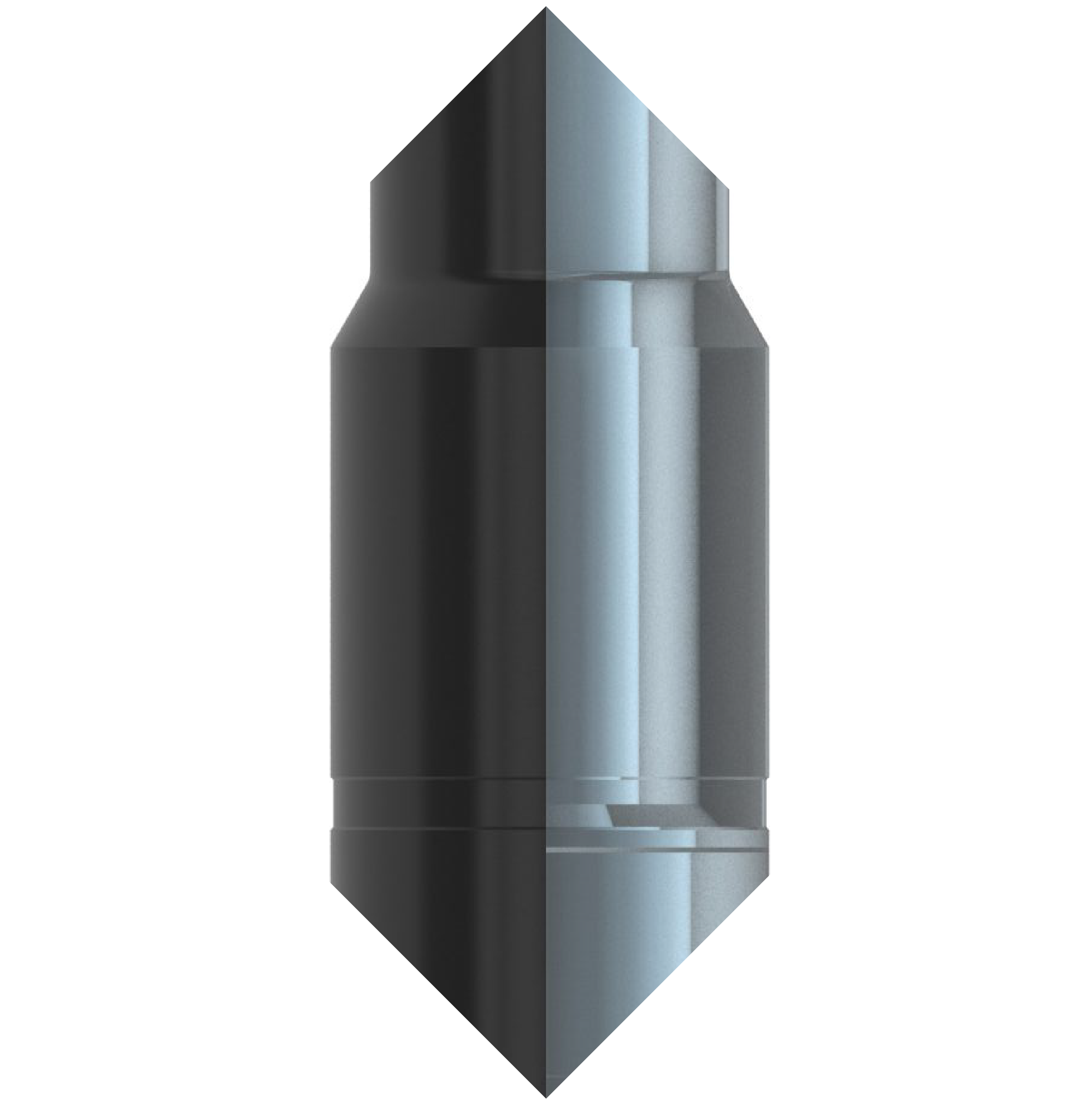
The Drain Valve enables the safe extraction at surface of downhole trapped fluids.
COMPLETION
-
 Learn More
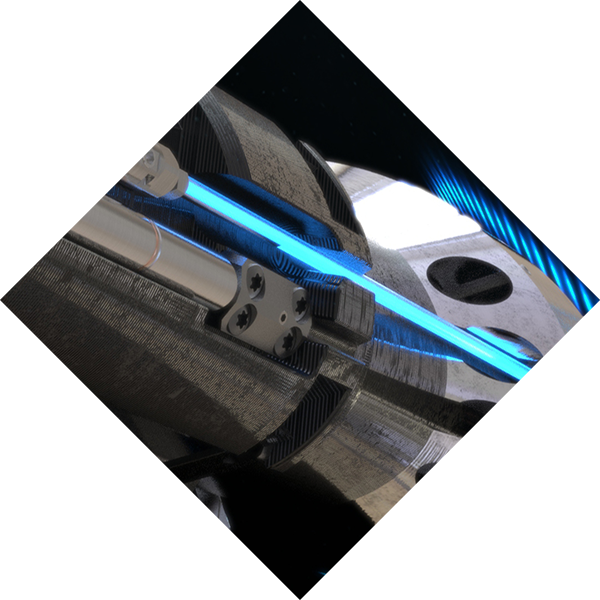
MATRIX™ is an interface that combines the intelligence and reliability of two down hole data acquisition specialists.
-
 Learn More
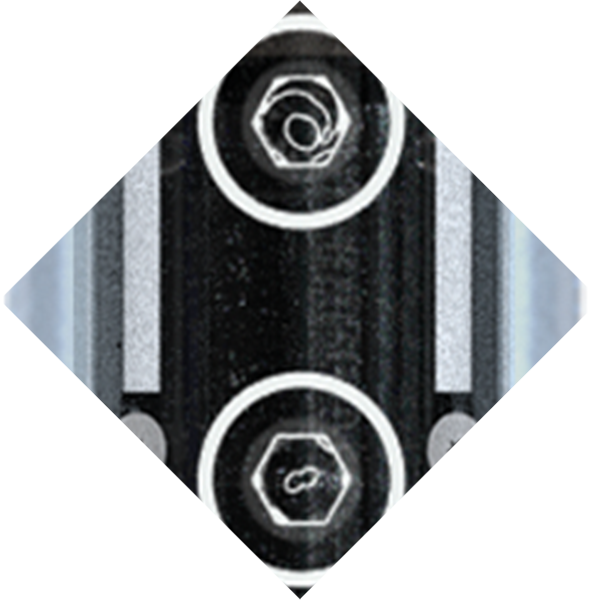
The OCULUS gauge records precisely, it is rugged and able to transmit high resolution data for DST operations and production wells.
-
 Contact us
An in-flow control production valve that has multi-function capability from acting as a conventional mechanical sliding sleeve to actuating wirelessly with simplex or duplex telemetry methods.
-
Learn More
PRO-LOG permits a continuous high-resolution temperature profile to be gathered from any section of a well.
-
 Learn More
A collection of telemetry methods that allows the wireless acquisition of multiple sources of downhole data and the actuation of devices for remote flow control of producing zone.
-
 Learn More
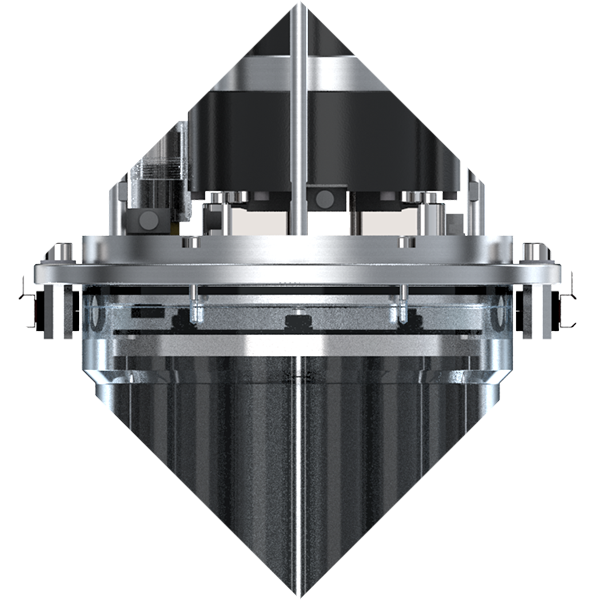
The PARAGON EM system records and wirelessly transmits pressure and temperature measurements from multiple discrete locations in the well.
-
 Learn More
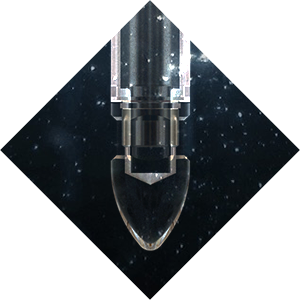
A suite of ROV deployable subsea telemetry equipment enabling surface to downhole communication with PARAGON and an extensive range of sensors, actuators and valves.
RESERVOIR MONITORING
-
Learn More
The PARAGON EM system records and wirelessly transmits pressure and temperature measurements from multiple discrete locations in the well.
-
 Learn More
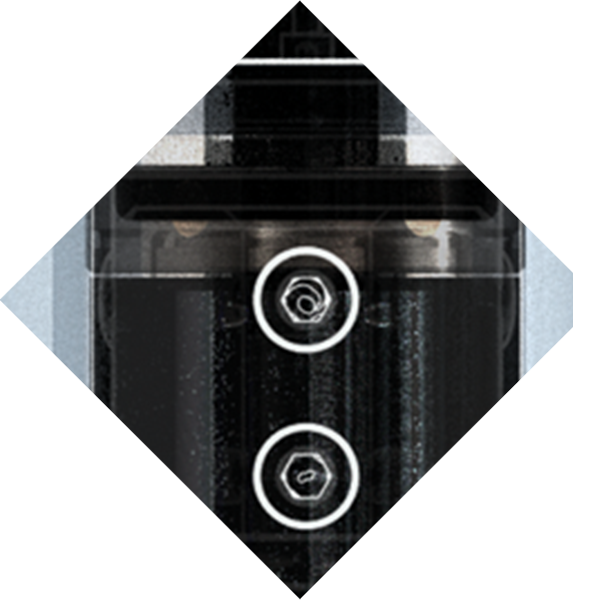
KUBIC-FLUX helps pressure equilibrate the formation when gauges are isolated.
-
 Learn More
The OCULUS gauge records precisely, it is rugged and able to transmit high resolution data for DST operations and production wells.
-
Learn More
FLOW-SURE SS is a wirelessly controlled, single shot, hydrostatic pressure operated, in-flow control or circulating valve.
-
Learn More
A collection of telemetry methods that allows the wireless acquisition of multiple sources of downhole data and the actuation of devices for remote flow control of producing zone.
CCS MONITORING
-
Learn More
The OCULUS gauge records precisely, it is rugged and able to transmit high resolution data for DST operations and production wells.
-
Learn more
PRO-LOG permits a continuous high-resolution temperature profile to be gathered from any section of a well.
-
Learn More
An in-flow control production valve that has multi-function capability from acting as a conventional mechanical sliding sleeve to actuating wirelessly with simplex or duplex telemetry methods.
-
Learn More
MATRIX™ is an interface that combines the intelligence and reliability of two down hole data acquisition specialists.
-
 Learn More
A collection of telemetry methods that allows the wireless acquisition of multiple sources of downhole data and the actuation of devices for remote flow control of producing zone.
-
Learn More
The PARAGON EM system records and wirelessly transmits pressure and temperature measurements from multiple discrete locations in the well.
BARRIER MONITORING
-
 Learn More
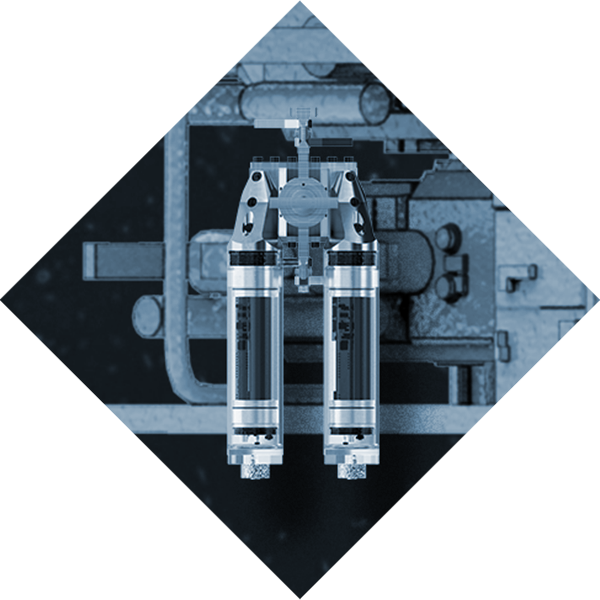
SENTINEL-BM system. Accessing barrier envelope data in a subsea or dry tree environment.
-
Learn More
A suite of ROV deployable subsea telemetry equipment enabling surface to downhole communication with PARAGON and an extensive range of sensors, actuators and valves.
-
Learn More
The OCULUS gauge records precisely, it is rugged and able to transmit high resolution data for DST operations and production wells.
-
Learn More
A collection of telemetry methods that allows the wireless acquisition of multiple sources of downhole data and the actuation of devices for remote flow control of producing zone.
-
 Learn More
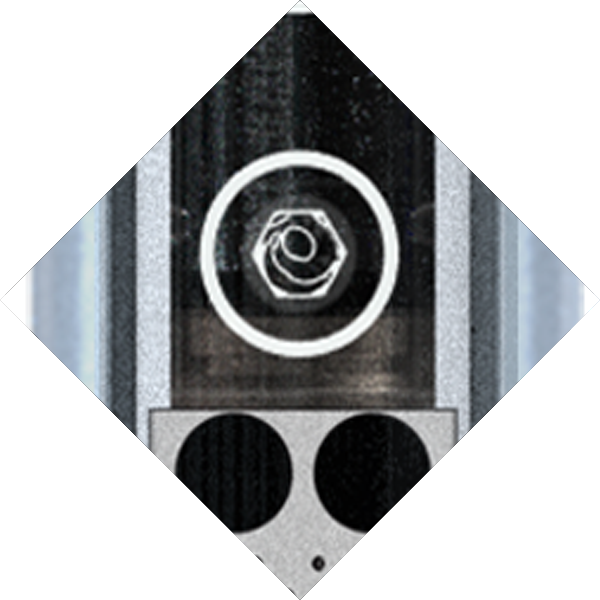
NIXUS is suitable use during DSTs, has very low power consumption and will work for many years in production wells.
RETROFIT
-
Learn More
PRO-LOG can be installed on intervention tools to provide a permanent retrofit wireless inflow profile.
-
Learn More
The OCULUS gauge records precisely, it is rugged and able to transmit high resolution data for DST operations and production wells.
-
Learn More
A suite of ROV deployable subsea telemetry equipment enabling surface to downhole communication with PARAGON and an extensive range of sensors, actuators and valves.
-
Learn More
The PARAGON EM system records and wirelessly transmits pressure and temperature measurements from multiple discrete locations in the well.
-
Learn More
A collection of telemetry methods that allows the wireless acquisition of multiple sources of downhole data and the actuation of devices for remote flow control of producing zone.
ANNULUS MONITORING
-
 Learn More
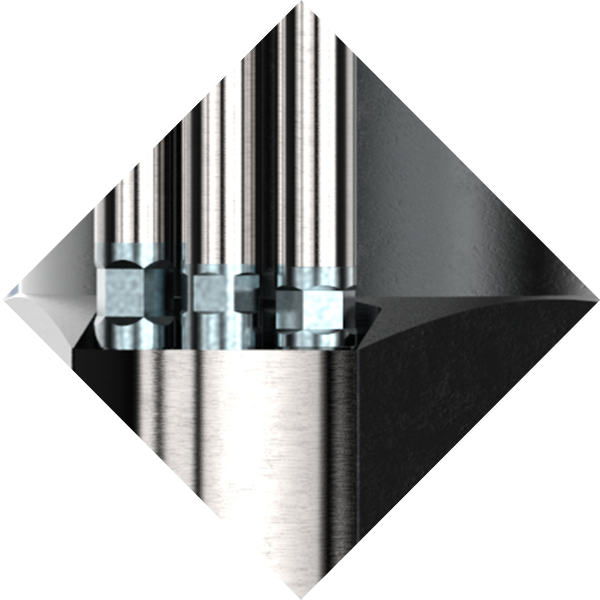
SENTINEL-AM system. The ability to access annulus pressure and temperature in a subsea environment.
-
Learn More
The OCULUS gauge records precisely, it is rugged and able to transmit high resolution data for DST operations and production wells.
-
Learn More
A suite of ROV deployable subsea telemetry equipment enabling surface to downhole communication with PARAGON and an extensive range of sensors, actuators and valves.